



Best Beginner-Friendly River Trips Near Melbourne (Yarra vs. Thomson and Mitchell Rivers)
By Dita Pahl, Canoes Plus Adventure Experience
Australia offers extensive paddling opportunities, from calm lakes to technical rivers, suitable for novices and experienced paddlers alike. This guide identifies top kayaking and packrafting destinations across the country and provides essential safety advice and gear guidance to help you plan trips effectively. You will find recommendations for beginner routes and advanced runs, a focus on safety and certification, and information on local courses to build your skills.
Best Beginner-Friendly River Trips Near Melbourne (Yarra vs. Thomson and Mitchell Rivers)
For those new to kayaking near Melbourne, two standout rivers offer different yet excellent beginner experiences: the Yarra River and the Thomson River. Both provide gentle water conditions and scenic surroundings ideal for building paddling skills safely and enjoyably.
Yarra River: Calm and Accessible
The Yarra River features calm stretches close to Melbourne’s urban area, making it highly accessible for day trips and easy launches. Its slow-moving waters and sheltered environment are perfect for beginners looking to develop basic paddling techniques with minimal risk. Paddlers can enjoy picturesque views of native vegetation and birdlife while gaining confidence on flatwater.
Thomson River: Quiet and Scenic
The Thomson River offers a more tranquil setting further from the city, with gentle flows ideal for relaxed paddling. Its natural surroundings, including bushland and wildlife, provide an immersive outdoor experience for novice kayakers seeking calm water and fewer crowds. The Thompson is well-suited for longer, leisurely trips where safety remains manageable for beginners under appropriate supervision.
Mitchell River: Remote and Diverse
The Mitchell River provides a mix of calm and more varied water conditions, making it an excellent option for beginners who want to experience a slightly more diverse paddling environment. Located in a more remote area, it offers expansive natural beauty and opportunities to see wildlife in less crowded surroundings. The river's accessibility varies, so careful planning is advised. It balances scenic tranquility with gentle challenges, ideal for those ready to explore beyond the typical beginner spots. Check out upcoming Mitchell River trips to plan your adventure.
Comparing the Yarra, Thomson, and Mitchell for Beginners
Choosing between these rivers depends on your preferences and logistics:
Accessibility: Yarra is closest to Melbourne and easiest to access, Thomson requires a longer drive, and Mitchell is more remote with varied access points.
Water Conditions: Yarra offers calm, sheltered waters; Thomson features gentle flows; Mitchell provides a mix of calm and varied sections.
Scenery: Yarra showcases urban fringe views, Thomson presents natural bushland, and Mitchell boasts diverse landscapes with rich wildlife.
Facilities: Yarra has more nearby amenities; Thomson fewer but peaceful; Mitchell has limited facilities, emphasizing wilderness experience.
All three rivers provide excellent environments for beginner paddlers seeking safe and scenic spots to build confidence and skills.
Which Adventure Paddling Trips Offer Challenging Experiences for Advanced Paddlers?
For advanced paddlers seeking technical challenges, Australia offers demanding rivers and coastal runs that require refined skills and careful preparation.
Where Are Australia’s Top Whitewater Kayaking and Packrafting Spots?
Rivers such as the Tully are known for sustained rapids and dramatic scenery, offering high-adrenaline runs. The Franklin River presents long, remote sections with variable conditions that demand experience and sound judgment. Prioritise careful assessment of river conditions and personal ability before attempting these routes.
What Safety Protocols and Certifications Are Recommended for Advanced Trips?
Advanced trips require thorough preparation and training. Enrol in recognised paddling certification courses covering rescue techniques, navigation and equipment use. Formal training improves risk management, builds practical skills and increases confidence when tackling more demanding environments.
How Do Packrafting Courses Enhance Your Skills Near You?
Packrafting is a compact, versatile option for exploring varied waterways. Structured training ensures paddlers understand boat handling, safety procedures and route planning, which reduces risk and improves enjoyment on the water.
What Are the Available Packrafting Courses and Certification Paths?
Organisations deliver packrafting courses for a range of abilities, from introductory sessions to advanced technique clinics. Many programs offer a pathway to certification, supplying the practical skills and credentials needed to operate safely in larger or more complex environments.
How Do Certified Instructors Ensure Safety and Skill Progression?
Certified instructors provide detailed safety briefings and structured skill progression. They monitor conditions and individual performance, offer tailored feedback, and teach standardised rescue and safety procedures to support steady improvement and reduce risk.
What Kayak Gear Is Essential for Safe and Effective Travel in Australian Waters?
Choosing appropriate gear is essential for safety and good performance on any trip. Equipment should match conditions and be maintained to ensure reliability.
Which Kayak Equipment Best Matches Different Destinations and Skill Levels?
Selecting the right kayak type improves control and safety. Lightweight touring kayaks suit flatwater and longer distances, while inflatable kayaks offer portability and can handle calm waters and light whitewater. Match your craft to the water type and your competence to reduce risk.
How to Select and Maintain Kayak Gear for Adventure Paddling?
Choose gear based on expected conditions and inspect it before every outing. Check hull integrity, paddles, lifejackets and safety kit to ensure each item functions correctly. Regular cleaning and proper storage extend equipment life and maintain performance.
Frequently Asked Questions
What Should I Consider When Choosing a Kayaking Destination?
Consider your skill level, prevailing weather, desired difficulty and available facilities. Beginners should favour calm lakes and gentle rivers; advanced paddlers may seek faster-flowing or technical sections. Research local wildlife, access points, regulations and onsite facilities to plan a safe trip.
Are There Specific Safety Requirements for Kayaking in Australia?
Yes. Paddlers are required to wear a personal flotation device (PFD) in many jurisdictions and should carry basic safety gear such as a whistle, visual distress signals and a bailer or sponge. State regulations vary and may mandate lights or signalling equipment for night operations. Verify local requirements before you go.
Can I Kayak in National Parks in Australia?
Many national parks permit kayaking and provide access to protected waterways. Some parks require permits or restrict areas to protect wildlife and habitats. Check park regulations and follow conservation guidelines to ensure compliance and protect sensitive environments.
What Are the Best Practices for Kayak Etiquette?
Observe local rules and give way to larger vessels. Maintain a respectful distance from other paddlers, swimmers and wildlife, avoid creating disruptive waves, keep noise low and take all rubbish with you. Good etiquette preserves safety and the natural setting for others.
How Can I Prepare Physically for Paddling Trips?
Build endurance, upper-body strength and core stability through activities such as running, swimming and resistance training. Regular stretching helps prevent injury and improves range of motion. Practise paddling technique in controlled conditions to develop skill and confidence.
What Wildlife Can I Expect to See While Kayaking?
Australia’s waterways support diverse wildlife, including birds like pelicans and herons, marine mammals such as dolphins and seals, and, in some regions, crocodiles. Observe animals from a safe distance, keep noise to a minimum and never feed wildlife, as this can alter behaviour and increase risk.
Rafting Kayaking - Yarra River vs the thomson and mitchell rivers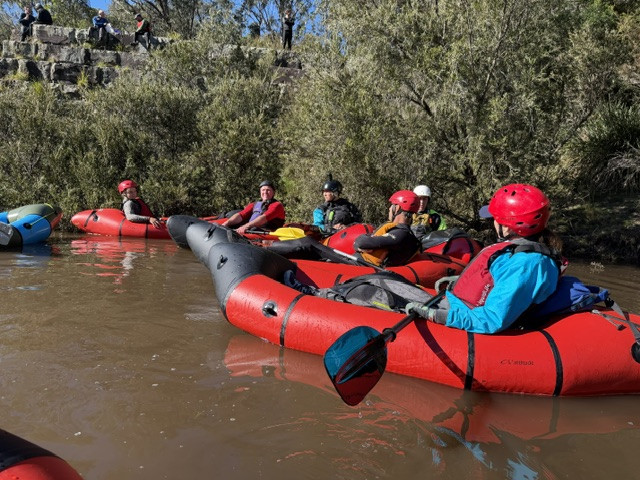
Welcome Visitor 7
To distribute this article more widely To manage this article or write your own article simply LOGIN
| ||||
